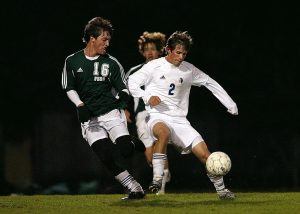
Belgium’s 2026 FIFA World Cup squad announcement marks a new chapter for the Red Devils, blending experience and fresh talent to rebuild after a stark exit at Qatar 2022. Once a dominant force with their golden generation peaking in Russia 2018, Belgium head into this tournament under coach Rudi Garcia with a clear tactical identity and tangible hunger. With veterans like Romelu Lukaku, Kevin De Bruyne, Thibaut Courtois, and Axel Witsel providing a backbone, an injection of youthful energy and emerging stars such as Youri Tielemans, Jérémy Doku, and Amadou Onana signals a renewed ambition. Drawn into Group G alongside Egypt, Iran, and New Zealand, the squad’s chances look promising, but the pressure to go beyond their previous best is palpable. This team lineup reflects both reflection on past shortcomings and preparation for a fresh World Cup legacy.
In brief:
⚽ Belgium’s 26-man lineup announced by Rudi Garcia, featuring a mix of seasoned legends and young talents
🔥 Romelu Lukaku’s fitness remains a daring gamble for his final World Cup appearance
🛡️ Defensive hope rests on young Zeno Debast’s composure and Axel Witsel’s experience
⚡ Jérémy Doku stands out as a game-changing wide threat with explosive pace
🎯 Group G fixtures favor Belgium, but tactical discipline will be vital against Iran’s tight defense
📅 Kick-off on June 15, 2026, against Egypt in Seattle sees Belgium aiming to reclaim their status among soccer’s elite
Belgium’s Team Lineup for FIFA World Cup 2026: A Strategic Blend of Old and New
The unveiling of Belgium’s squad for the 2026 World Cup illustrates a country at a crossroads in football. The golden generation, once brimming with hope and potential, appears finally to have passed the torch. Garcia’s selection of 26 players draws on loyal veterans and promising newcomers, aiming to forge a cohesive unit that avoids the mistakes leading to a group-stage exit in Qatar.
At the core of this team lies a spine formed by World Cup veterans such as goalkeeper Thibaut Courtois, midfield maestro Kevin De Bruyne, all-time top scorer Romelu Lukaku, and senior midfielder Axel Witsel. Yet, the squad captaincy rests on Youri Tielemans, who epitomizes the team’s younger class whilst leading a midfield brigade with the physical anchor Amadou Onana. On the flanks, Jérémy Doku’s electric pace and creative threat promises to unsettle even the most disciplined backlines. The blend promises a clear tactical shape under Garcia’s preferred 4-2-3-1 formation, a sharp contrast from their disjointed Qatar run.
Historic Echoes: From Golden Generation Glory to Rebirth in 2026
The World Cup is a tournament steeped in footballing heritage, uniting nations through sport and drama. Belgium’s own journey has been a rollercoaster ride, marked by peak moments like their third-place finish in Russia 2018 but later marred by the Qatar 2022 shock exit. The tournament itself, inaugurated in 1930, has been the stage for football icons and unforgettable moments that define careers and legacies globally—Pele, Maradona, Messi, Ronaldo etching their names alongside the tournament’s evolution into a global spectacle.
This 2026 edition, hosted across North America, promises a reinvigorated global stage. Belgium, having qualified undefeated from UEFA Group J, aims to reclaim its status not just as a participant but as a contender. The selection mirrors their recalibrated ambitions, blending tactical discipline and technical brilliance in anticipation of facing Egypt, Iran’s defensive resilience, and New Zealand’s physical approach. Belgium’s squad history and this lineup’s construction reflect football’s enduring challenge: progressing beyond potential to tangible success under the FIFA spotlight.
Key Players and Tactical Dynamics in Belgium’s 2026 World Cup Roster
The spotlight naturally highlights Romelu Lukaku, Belgium’s all-time leading goal-scorer, whose presence energizes the attack despite injury questions. Lukaku’s forceful style, honed in Serie A, provides a focal point that Garcia structures the offense around. Lukaku’s partnership with playmaker De Bruyne, who commands the midfield with vision and precision, sets the strategic rhythm for the squad.
Moreover, young talent like Zeno Debast in central defense brings a cool-headed calmness to counterbalance the physicality of opponents. Meanwhile, the veteran Axel Witsel assures experience in midfield, crucial for game management and providing leadership beyond his years. On the wings, Doku’s pace and Trossard’s versatility offer Belgium an edge in breaking down stubborn defenses—key for the tactical challenges Kazakhstan and Iran have posed in qualification phases.
Belgium’s style emphasizes tactical balance—solid defense paired with creative midfield dynamism, and incisive, quick attacking transitions. This system affords options in attack and protection in defense, vital when facing diverse styles in Group G. Their group games will be staged in vibrant North American cities: starting in Seattle against Egypt, then Los Angeles versus Iran—a match demanding patience and discipline—and a decisive clash in Vancouver against New Zealand.
The Global Impact of Belgium and the FIFA World Cup Journey
Belgium’s renewed ambitions in 2026 underscore the wider significance of the World Cup as more than just a tournament. It is a potent cultural phenomenon that inspires nations, fuels local economies, and elevates football as a unifying global sport. Belgium’s evolving team reflects this narrative: the passing of one generation and the rise of a new one ready to etch its story in the global football tapestry.
FIFA’s expanded tournament format in North America offers fresh opportunities for teams like Belgium to showcase tactical innovation and individual brilliance on a grand stage. The World Cup’s history is littered with iconic moments—from Maradona’s “Hand of God” to Messi’s dazzling runs—defining football’s cultural and emotional impact worldwide.
As Belgium prepares to take its place amid this global celebration of football, the squad represents a microcosm of evolution, resilience, and ambition—qualities that resonate well beyond the pitch. For fans and pundits alike, the spotlight on Belgium’s team lineup promises to reveal whether they can finally leave an indelible mark on the tournament’s storied legacy.