The 2026 World Cup marks a significant milestone not only for the tournament itself but also for teams like Haiti and Scotland facing off in what promises to be a compelling Group C clash at the iconic Boston Stadium, formerly known as Gillette Stadium. After a 28-year hiatus, Scotland’s return to the World Cup stage represents more than just a comeback; it’s a chance to reassert themselves on football’s grandest pitch. Haiti’s qualification, their first since the 1974 World Cup, embodies a truly inspiring journey marked by resilience amid adversity, defying logistical challenges and political instability to top their CONCACAF qualifying group. This encounter is layered with tactical nuances and psychological stakes, as both nations aim to capitalize on the tournament’s momentum.
From the historical grandeur of the World Cup with its unforgettable legends and groundbreaking moments to the unfolding drama of the 2026 edition, the match pits Scotland’s structured, possession-based approach led by seasoned professionals against Haiti’s compact, counter-attacking spirit forged mainly by diaspora players. The stakes couldn’t be higher—Scotland must secure a win to realistically advance beyond a group featuring heavyweights Brazil and the tactically astute Morocco. Haiti, while underdogs, possess the spark and unity capable of upsetting expectations. This clash exemplifies the enduring global impact of football, transcending sport and culture.
Haiti vs Scotland World Cup 2026 match prediction and key tactical insights
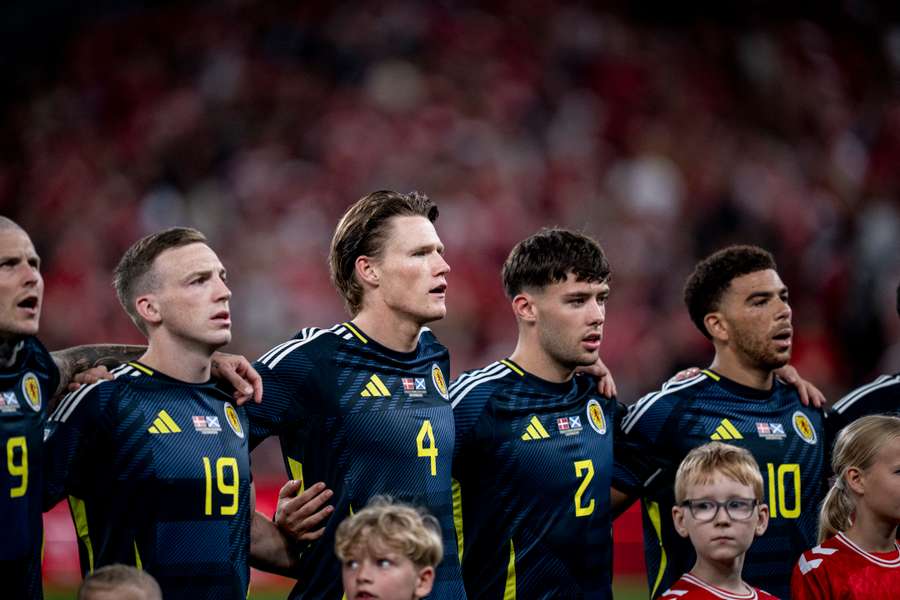
Scotland’s re-entry into the World Cup finals injects new energy, particularly following their emphatic 4-2 victory over Denmark in the qualifiers. The Scottish side, buoyed by influential players like Andy Robertson and Lyndon Dykes, looks to control the midfield and dominate possession in a strategy that capitalizes on Haiti’s limited top-level international experience. Haiti will likely adopt a disciplined defensive posture, focusing on breakaways and set pieces—areas where their physicality and sharpness could pose problems. The sizeable Haitian diaspora in New England ensures they will have fervent support in Boston, potentially electrifying the atmosphere. Brazil and Morocco loom in the background of this group, with expected victories over Haiti and Scotland respectively, setting the stage for a high-stakes decider between the Scots and the North Africans.
The match’s significance extends beyond tactics alone. Scotland must avoid the complacency that derailed previous World Cup campaigns, taking cues from the balanced squad depth that could wear down Haiti’s reliance on a mainly overseas lineup disrupted by travel and club commitments. For Haiti, the tactical discipline and unity shaped by their coach Sébastien Migné not only speaks to resilience but also to a strategic approach designed to frustrate possession-based teams. This dynamic sets up an intriguing contrast between Scotland’s possession play and Haiti’s counter-attacking mindset, with the outcome heavily influenced by game tempo and set-piece effectiveness.

The tournament’s rich history reflected in Scotland and Haiti’s journeys
The FIFA World Cup has evolved from its humble beginnings in 1930 into a global sporting phenomenon, showcasing football’s biggest icons, like Pelé, Maradona, and more recently, Messi and Mbappé. Each edition carries heart-stopping moments etched into collective memory—Scotland’s last World Cup appearance in 1998 and Haiti’s historic 1974 entry illustrate contrasting narratives of struggle and celebration. Scotland’s current squad echoes these legacies by blending experience with youthful energy, while Haiti channels the spirit of their trailblazers under adverse conditions.
Over decades, the tournament has not only been a platform to crown the world’s best team but also a cultural moment that unites nations far beyond the pitch. The upcoming clash in Boston continues this thread, emphasizing football’s unifying appeal between historically distant but passionately connected peoples. The 2026 tournament, hosted across North America, adds an extra layer of spectacle and opportunity for teams like Haiti and Scotland to shine on an expanded world stage.
Major teams, iconic players, and their imprint on the World Cup narrative
Brazil remains the standard bearer of World Cup greatness, bringing a rich history of five titles and legendary talents who have transformed the sport globally. In this group, their match-ups, like the one against Morocco analyzed in this focused preview, underline the caliber of competition Scotland and Haiti must navigate. Scotland’s journey back is built on solid foundations laid by stars such as Kieran Tierney, whose crucial qualifiers goal against Denmark sealed their Finals ticket. Meanwhile, Haiti’s hopeful inclusion of potentially switch-eligible talents like Odsonne Edouard, who boasts a track record at elite clubs, signals their ambition to compete fiercely despite underdog status.
The contrast between seasoned giants and emerging challengers defines the World Cup’s dynamism. Scotland’s tactical discipline and Haiti’s resourceful unity exemplify different routes to success, underscoring how individual brilliance and team cohesion each play pivotal roles. These elements are essential to understanding the stakes of this match and the wider tournament where every group game can rewrite history.
Global impact and cultural significance of the 2026 World Cup clash between Haiti and Scotland
The World Cup transcends being a mere sporting spectacle—it is a powerful geo-cultural event. Scotland’s long-awaited return and Haiti’s inspirational qualification are testaments to football’s capacity to inspire social unity and national pride. The game spotlighting these diverse teams in Boston also amplifies representation from regions often peripheral in global football narratives. For both nations, this match embodies a platform to showcase their cultures and stories amidst an international audience of millions.
This encounter also highlights football’s role in diaspora communities giving renewed voice and visibility to countries like Haiti. The mix of supporters in the stands, both Scottish fans draped in tartan and Haitian enthusiasts waving flags from New England, exemplifies how sport bridges continents and histories. Such interactions enrich the event’s legacy far beyond the final whistle, influencing perceptions and strengthening bonds among global citizens.
Canada’s role as a co-host in the 2026 World Cup enhances North America’s football profile dramatically, complementing the tournament’s expanded format. This expansion not only increases participation but also intensifies narratives like Haiti vs Scotland, where emerging football nations test global powers. This transformative phase in football history confirms the tournament’s enduring appeal and its capacity to evolve while honoring tradition.