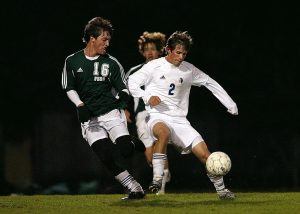
As the 2026 FIFA World Cup approaches, the spotlight intensifies on Panama’s national soccer team, ready to showcase its talent across venues spanning Canada, Mexico, and the USA. With the tournament’s expansion to a 48-team format, Panama finds itself in a demanding Group L that promises strategic battles at every match with immense pressure to secure a spot in the Round of 32. The Panamanian squad enters this global stage buoyed by a vibrant “Golden Generation,” many of whom have honed their skills in top-tier European leagues, offering a fresh tactical depth and international flair beyond what fans have seen before.
Historically, the World Cup has been a monument to football’s greatest stories, where legends are born and national teams carve unforgettable moments into the collective memory of the sport. For Panama, qualifying stages and past tournaments have been learning grounds, revealing both resilience and areas needing refinement. This year’s team lineup reflects a balance of experience and youthful energy, ready to challenge soccer giants and make their mark. Coaches have adopted nuanced formations focusing on rapid transitions and exploiting the home-field advantage where possible, signaling an evolution in style that promises to captivate football enthusiasts worldwide. This tournament isn’t just about football for Panama—it’s an arena to define their place within the sport’s elite narratives.

Panama Team Lineup Spotlight: Key Players Driving World Cup Aspirations
The success of Panama’s journey in the 2026 World Cup hinges on the impact of its foremost players, combinations, and formations. Central to the squad are seasoned veterans who provide leadership and composure under pressure, paired alongside emerging stars who bring speed, creativity, and versatility. Expectations focus on midfield maestros capable of dictating pace and strikers who can capitalize on limited opportunities against high-caliber opponents.
Goalkeepers acting as the last line of defense, supported by a disciplined backline, form the backbone of the squad’s tactics. The emphasis on high-intensity transitions means defenders are not merely stoppers but initiators of counterattacks. Midfielders are tasked with relentless work rates, linking defense to attack seamlessly, while forwards are strategically deployed to exploit defensive gaps. Each player’s selection reflects not only individual prowess but also how well they fit into a fluid, dynamic system designed to navigate the difficulties of Group L competition.
Reevaluating Formations: Tactical Approaches Shaping Panama’s World Cup Strategy
Panama’s tactical blueprint for the 2026 World Cup marks a departure from traditionally rigid setups towards flexible formations. The coaching staff favors agility—in both formation and mindset—crediting this to the demanding schedule and level of opponents. Variations of a 4-3-3 and 3-5-2 formation are under consideration, intending to maximize both defensive solidity and offensive prowess.
The 4-3-3 provides width and forward movement through wingers, enabling Panama to press high and recover possession quickly, which is vital against teams known for controlling possession. Meanwhile, the 3-5-2 offers numerical superiority in the midfield, supporting ball retention and creating chances through intricate passing combinations. These tactical decisions are a reflection of Panama’s desire to balance risk and control—suggesting that while the squad values defensive resilience, it also embraces creativity and resourcefulness to challenge better-ranked teams.
Throughout World Cup History: Lessons Fueling Panama’s Ambitions
Looking at the broader context of the FIFA World Cup, it’s impossible to overlook the legacies laid by heavyweights like Brazil, Germany, and Argentina, whose iconic players defined entire eras with skill, determination, and innovation. Panama’s emergence on this grand stage is a narrative in the making, much like smaller nations who have seized the tournament to announce their arrival to the world. The World Cup’s evolution, from 16 to now 48 teams, has democratized opportunity—offering Panama a platform to leave a lasting impression.
Memorable moments from past tournaments serve as both inspiration and valuable case studies for Panama’s coaching staff and players. The global impact of the World Cup goes beyond football, stirring national pride and uniting fanbases across diverse cultures. Panama’s strategic positioning inside this tradition of competition and spectacle signals more than participation—it’s about carving out their own memorable chapter in football history.