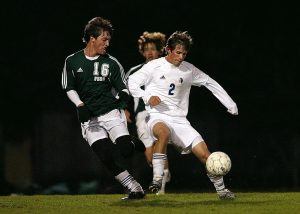
The arena lights dim on an era as a key forward from the Rouen Dragons, one of the Ligue Magnus’ most iconic ice hockey teams, steps off the ice for good. Renowned for their strategic dominance in French Ice Hockey, the Dragons have been home to top-tier professional athletes who embody the physicality and finesse that define this sport. The announcement of this player’s retirement marks more than just the end of a personal hockey career; it signals a momentous shift in the team’s composition and the wider Ligue Magnus landscape.
Since their establishment in the early 1980s, the Rouen Dragons have cultivated a legacy steeped in victory and passionate fan support, regularly contending in high-stakes competitions. The Ligue Magnus itself, as the pinnacle of ice hockey in France, attracts athletes whose careers blend relentless training with immense public attention. The forward in question contributed significantly to the Dragons’ offensive strategies, becoming a household name in arenas across the country.
This retirement announcement sparks reflections on the demanding nature of ice hockey — a sport where physical endurance, tactical intelligence, and quick reflexes are non-negotiable. Equipments like skates optimized for speed, protective padding ensuring player safety, and the iconic hurley-shaped hockey stick combine to create a fast-paced, rigorous environment. The forward’s departure invites questions about the future of the team’s offensive lineup and provides a lens into the lifecycle of professional athletes in high-impact sports.
How a Rouen Dragons Forward Shaped French Ice Hockey
Within the annals of the Ligue Magnus, the contributions of forwards are often measured by goals scored, assists made, and the intangible spark they bring to each game. The forward from the Rouen Dragons didn’t just participate — they were a catalyst in pivotal playoff runs and a consistent force during regular seasons. This player’s style combined aggressive forechecking with uncanny positional awareness, a blend that elevated the Dragons’ attack to new heights.
Beyond statistics, this retirement opens a discussion about the physical toll hockey takes on players. Injuries are frequent, recovery is grueling, and longevity is rare in this sport. The decision to retire often intertwines personal health considerations with team ambitions. The Rouen Dragons now face the task of replacing a player whose experience and savvy played a strategic role in their game planning.
The Demands of Ice Hockey and the Road to Retirement
Ice Hockey is unforgiving. It combines blistering speed and heavy contact, requiring athletes to maintain peak conditioning. The forward’s retirement underscores the sport’s physical challenges and shines a light on the broader narrative of athlete welfare in the Ligue Magnus and beyond. Unlike many sports, ice hockey demands technical skill combined with grit — a double-edged sword that shortens many careers.
The Legacy of Rouen Dragons and the Future of its Offensive Line
The departure of a forward of such caliber inevitably triggers a ripple effect inside the team and among passionate fans. The Rouen Dragons have a rich history at the heart of French Ice Hockey, often setting competitive standards in Ligue Magnus playoffs. Their home, the Centre sportif Guy-Boissière, has witnessed thrilling victories and heartbreaks alike, in no small part thanks to the aggressive play of forwards like the recently retired professional.
As the team looks towards rebuilding and strategizing, questions arise about emerging talent and recruitment strategies to fill the vacuum. The Ligue Magnus continues evolving, and the Dragons’ approach to integrating fresh talent will likely influence their future standings and fan engagement. Staying competitive will require both nurturing young forwards and attracting international players motivated by the prestige of French ice hockey’s top tier.
For fans craving more in-depth coverage on ice hockey’s evolving dynamics, exploring updates on the Rouen Dragons playoff campaigns offers valuable context. Additionally, understanding the broader landscape with hotspots like Paris gearing up for international ice hockey events reveals how the sport’s future is being shaped across France and beyond.