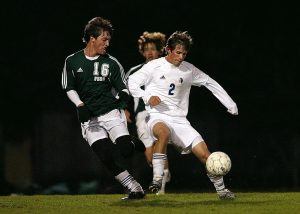
The FIFA World Cup is more than just a football tournament; it is a global phenomenon that unites billions through the beautiful game. Since its inception in 1930, the tournament has evolved into the pinnacle of international soccer, showcasing the finest talents, the fiercest rivalries, and moments that border on mythic. Teams like Brazil, Germany, Italy, and Argentina have traditionally stamped their authority on the event, with icons such as Pelé, Maradona, and Messi defining generations. Yet, the appeal of the World Cup lies not only in the established powers but also in the unpredictability and breakthroughs that ignite passion worldwide. Take Saudi Arabia, for instance, a team that has grown from football’s periphery to seriously challenging global perceptions following their shocking victory over Argentina in the 2022 tournament. This kind of upset reflects the dynamic nature of the World Cup, where history and new narratives constantly intertwine, making every edition a unique spectacle.
⚽ Key takeaways on the Saudi Arabia World Cup 2026 lineup and tournament context:
- ⚡ Saudi Arabia enters the 2026 World Cup ranked 61st but with a strong momentum following a historic 2022 upset.
- 🔥 The Green Falcons are ambitiously placed in Group H alongside heavyweights like Spain and Uruguay, plus emerging side Cape Verde.
- 🛡️ Georgios Donis leads the squad, relying heavily on a balance of seasoned players such as captain Salem Al-Dawsari and young talents stationed in top Saudi and European clubs.
- 🎯 The team’s 4-3-3 formation highlights offensive versatility, though the competition in the group stage demands careful strategizing and peak preparation.
- 🌍 The World Cup’s historical scope and global influence offer Saudi Arabia a platform to build their football identity and inspire football fans back home and abroad.
Saudi Arabia’s 2026 World Cup squad lineup: Strengths, strategy, and expectations
Saudi Arabia’s 26-man player roster offers a well-rounded squad designed for resilience and adaptation in the grueling World Cup environment. Head coach Georgios Donis has chosen to deploy a classic 4-3-3 shape, balancing defensive solidity with midfield creativity and attacking firepower. The goalkeeper trio includes Nawaf Al-Aqidi from Al-Nassr, alongside veterans Mohammed Al-Owais and Ahmed Al-Kassar. Defensively, Saudi Arabia boasts ten players, mixing experience and youth — names like Ali Lajami and Saud Abdulhamid stand out, the latter plying his trade at French side RC Lens, bringing valuable European exposure.
In midfield, players such as Nasser Al-Dawsari and Mohamed Kanno manage the engine room, tasked with both protecting the backline and launching attacking moves. Up front, the decision on who will wear the crucial No. 9 shirt remains flexible between Firas Al-Buraikan, Saleh Al-Shehri, and Abdullah Al-Hamdan, signaling competition and strategic options. Salem Al-Dawsari, as captain, is a tactical lynchpin with vast international experience, including significant moments at club and national level. This mix illustrates Saudi Arabia’s aspirations to navigate the group stage efficiently, leveraging collective discipline and flashes of individual brilliance.
From underdogs to serious contenders in the group stage battle
Placed in Group H, Saudi Arabia will face formidable foes like Spain and Uruguay, established powers with deep World Cup pedigrees. Cape Verde, meanwhile, joins as an emerging nation signaling the tournament’s expanding competitive landscape, putting Saudi Arabia in a diverse and challenging cluster. The group stage is notoriously unforgiving: the top two teams progress directly, while the eight best third-placed teams across all groups still have a shot at advancing. Saudi Arabia’s World Cup preparation must thus encompass tactical versatility, mental resilience, and physical endurance to seize every opportunity in these critical matches.
Success here would build on the legacy of memorable moments for Saudi football and contribute significantly to the sport’s growth in the region — a region hungry to see its teams compete beyond expectations.
The World Cup’s rich history and Saudi Arabia’s journey on the global football stage
World Cup history is filled with tales of dominance and surprise, iconic players, and unforgettable matches that transcend sport. From Uruguay’s triumph as the inaugural champions, through Brazil’s unmatched five titles led by legends, to modern football stages shaped by tactical evolutions—this tournament is the ultimate test for any national team. Saudi Arabia’s presence in six previous World Cups reflects the nation’s gradual footballing evolution, evolving from early exits to impactful moments that have caught international eyes.
FIFA’s role in globalizing the game cannot be overstated; its tournaments catalyze billions in national pride, local investments, and passion that nurtures future stars. The 2026 World Cup, hosted across the United States, Canada, and Mexico, magnifies this platform, offering Saudi Arabia and more than 40 other nations a unique arena to advance their football narratives. This tournament preview is not just about squads and tactics but also about cultural exchange, triumphs, and the endless magic that the World Cup injects into the global sports psyche.