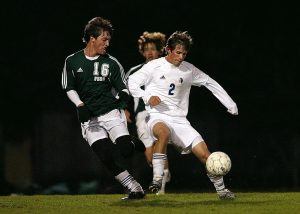
After a long absence from the world’s biggest stage, the Scotland squad has finally stamped their return to the World Cup 2026, ready to showcase a blend of gritty resilience and Premier League pedigree. The return isn’t just a comeback; it’s a reckoning after 28 years away, with team lineup choices that balance seasoned leadership and fresh talent. The journey to 2026 was nothing short of dramatic, with goals in stoppage time sparking nationwide celebrations and reigniting hopes for a deep tournament run. Facing formidable opponents like Brazil, Morocco, and Haiti in Group C, Scotland’s soccer team steps forward with ambitions that go beyond mere participation.
Brief 🏟️
- Scotland ended a 28-year World Cup drought, qualifying with dramatic late goals ⚽
- Steve Clarke’s 26-player tournament roster blends Premier League stars and Scottish league standouts 🌍
- Key players include veteran left-back Andy Robertson and dynamic midfielder Scott McTominay 🎯
- Scotland kicks off against Haiti on June 14, 2026, poised for historic breakthrough 🏆
- Preparation includes training at Inter Miami’s cutting-edge Florida Blue Training Center 🌴
Scotland’s 2026 World Cup Squad: A Blend of Experience and New Blood
Steve Clarke, Scotland’s national team manager since 2019, has meticulously crafted a Scotland team lineup that reflects both ambition and realism. With 26 players selected, the squad represents a unique balance: veterans who know the demands of elite competition alongside younger players hungry to prove themselves on the global stage. The likes of Andy Robertson, Liverpool’s stalwart left-back, provide invaluable leadership, drawing on years of Champions League exposure. Meanwhile, midfield dynamo Scott McTominay has transformed his game at Napoli, evolving into one of Europe’s most versatile box-to-box midfielders.
Complementing this leadership is the technical finesse of Billy Gilmour and the creative spark that John McGinn consistently brings. Upfront, Lawrence Shankland carries the hopes of Scotland’s attack, with his proven goal-scoring calibre offering a focal point for offensive play. This squad epitomizes Scotland football’s enduring work ethic, but it also signals readiness to embrace tactical sophistication to take on Groups C heavyweights: Brazil, Morocco, and Haiti.
Historic Firsts and Tournament Prospects
The Scottish national team’s return to the World Cup 2026 is a monumental moment, especially given the weight of expectations after nearly three decades. Every player in this team will be making their World Cup debut, which brings both a fresh dynamism and a significant question mark about their ability to handle pressure. The opening clash against Haiti on June 14 at Boston Stadium is more than a match—it’s a statement of intent. Scotland’s tactical discipline and the roaring support of the Tartan Army could create the kind of fearless unity necessary to overcome their more decorated opponents.
The choice of Charlotte, North Carolina, as the tournament base, alongside a preparatory camp at Inter Miami’s Florida Blue Training Center, highlights a modern approach to conditioning and readiness. This attention to detail is vital when stepping onto a stage where legends like Brazil await, as chronicled in dedicated coverage about the Brazil and Haiti World Cup group challenges. The window for Scotland to seize a historical breakthrough is narrow yet tantalizing.
Legacy and Global Impact of the FIFA World Cup
The World Cup isn’t just the pinnacle of competitive soccer; it’s a cultural phenomenon transcending sport, uniting billions worldwide every four years. Since its inception in 1930, the tournament has evolved into a stage where national pride, historic rivalries, and human drama unfold. Major teams like Brazil, Germany, Italy, and Argentina have defined eras with iconic players such as Pelé, Maradona, and Zidane, forever etching their names in football folklore. Scotland’s return illustrates how soccer’s global impact extends beyond perennial powers, offering narratives of resilience and emergence that captivate worldwide audiences.
Iconic moments, from Geoff Hurst’s hat-trick in 1966 to Senegal’s stunning run in 2002, remain vibrant testaments to the tournament’s unpredictable magic. Scotland’s participation after such a long hiatus adds a rich chapter to this ongoing saga, cementing football’s unique power to inspire national identity. Anticipation is high for the 2026 World Cup across the USA, Canada, and Mexico, where diverse fanbases will witness the unfolding of new legends and unforgettable drama.
Scotland’s Final Lineup and Tactical Outlook
The tournament roster registered by Scotland includes three goalkeepers—Craig Gordon, Angus Gunn, and Liam Kelly—offering depth in this critical position. Defensively, a mix of reliability and youthful vigor is seen in players like Grant Hanley, Nathan Patterson, and Kieran Tierney, alongside the ever-reliable John Souttar.
Midfield creativity and work rate are fundamental to Clarke’s game plan, with players like Lewis Ferguson and Ryan Christie supporting the core engine of McTominay and Gilmour. In attack, striking options such as Ché Adams and Lyndon Dykes bring varying styles, from technical finesse to physical presence, allowing Scotland tactical flexibility.
This carefully considered lineup underlines Scotland’s ambition not just to participate but to compete meaningfully in a tough group stage and attempt progression beyond. The next weeks, including the final friendly against Curacao before departure, will be critical in sharpening the squad’s cohesion and resilience, with fans eagerly watching every development ahead of the World Cup in Miami.