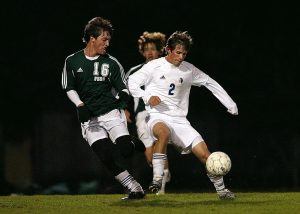
Senegal’s 2026 World Cup lineup offers a thrilling blend of seasoned leadership and youthful promise, headlined by captain Kalidou Koulibaly and talisman Sadio Mané. This squad, unveiled by coach Pape Thiaw, steps into one of the toughest groups in the tournament, Group I, which pits the Lions of Teranga against France, Norway, and Iraq. Having cruised through qualifying unbeaten and reaching the Africa Cup of Nations final in 2025, Senegal arrives not just as participants but as genuine contenders from the African continent. The team’s spine leans heavily on players thriving in Europe’s top leagues, especially the Premier League, underscoring a blend of grit and technical skill essential for the demands of the World Cup stage. As Mané prepares to bid farewell to international football, the squad synergizes experience with rising stars, aiming to defy expectations in a group many dub the tournament’s group of death.
Senegal, often referred to by their nickname “Lions of Teranga”, have a rich footballing history that resonates deeply across the African continent. They made their World Cup debut in 2002, instantly marking their place by stunning holders France in the opening match—a shock that still echoes vividly in World Cup lore today. With four appearances now under their belt and the 2026 tournament on the horizon, the team embodies a relentless quest to build on their achievements. The World Cup itself carries immense global significance, drawing billions in viewership and showcasing football’s finest athletes on the world stage. This historic event has witnessed legendary players like Pelé, Maradona, and Zidane carve their names into sporting mythology and crafted unforgettable moments that transcend the game. Senegal’s lineup this year not only reflects the evolution of African football but also echoes the global impact and passionate spectacle that the World Cup continues to represent.
Senegal World Cup 2026 Squad: Experience Meets Youth in a High-Stakes Tournament
Coach Pape Thiaw’s final 26-man squad harmonizes battle-tested veterans with dynamic young talents, aiming to capitalize on their unbeaten CAF qualification campaign. Anchored by Kalidou Koulibaly’s leadership and Sadio Mané’s attacking excellence, the squad includes Premier League stalwarts such as Idrissa Gana Gueye and Ismaïla Sarr, alongside promising teenagers like Bara Ndiaye and Ibrahim Mbaye. Koulibaly, who captains this team, carries the wisdom of 102 international caps, while Gueye holds the record for the most appearances in the squad with 130 caps at age 36, illustrating the balance of longevity and energy. Mané, Senegal’s all-time top scorer at the international level with 55 goals, approaches his final World Cup with the solemn purpose of leading his country deep into the tournament. This mix of prime experience and raw talent is Senegal’s answer to navigating the brutal challenges of the group stage and beyond.
A Glimpse at Group I: An Uneasy Road for the Lions of Teranga
The group stage fixtures highlight Senegal’s daunting path: opening against powerhouse France, whose squad ranks third in the world, then facing Erling Haaland’s Norway, a team known for their efficient attacking threat, before concluding with a match against Iraq in Toronto. This setup evokes memories of Senegal’s historic 2002 victory over France, injecting a narrative of potential redemption and rivalry. Norway and France’s profiles demand tactical discipline and resilience from the Senegalese, who must maximize their squad’s defensive solidity while exploiting the pace and creativity of forwards like Nicolas Jackson and Ismaïla Sarr. The group composition makes this World Cup a stern test of Senegal’s quality and strategic planning, particularly under the stewardship of a relatively new head coach in Thiaw, who has modernized the team’s approach without forsaking its defensive roots.
Historic Significance and Iconic Moments Enhance Senegal’s World Cup Campaign
Senegal’s World Cup journey is peppered with moments that have reshaped football’s African narrative on the global stage. The 2002 quarterfinal run introduced the world to the Lions of Teranga’s undying spirit, highlighted by Papa Bouba Diop’s unforgettable goal against France. Senegal’s qualification for the 2026 tournament echoes this legacy, reminding us how football serves as a unifying force for the nation and a source of immense pride continent-wide. The 2026 World Cup itself stands as a global spectacle, where teams battle not only for glory but also for the chance to inspire millions. The tournament is historically a launchpad for icons whose exploits transcend their sport, impacting culture and international relations. Senegal’s blend of emerging talents and seasoned veterans aims to etch a new chapter in this grand narrative, underscoring the team’s potential to make memorable impacts on and off the pitch.
Global Impact of the FIFA World Cup and Senegal’s Role Within It
The FIFA World Cup is more than a soccer tournament; it’s a global cultural phenomenon that shapes economies, identities, and international relations. For Senegal, this event highlights their ascent as a footballing nation and places Africa’s rising prominence in the sport under the global spotlight. The team’s performance influences not just national pride but also the development trajectories of football infrastructures across Africa. With the 2026 World Cup expanding to include more teams, Senegal’s participation alongside other African qualifiers adds depth and diversity to the competition. Their journey intertwines with narratives of resilience, skill, and ambition that mirror broader social dynamics. Following the squad’s progress offers insights into how African football evolves amidst the intense pressures and global expectations that the World Cup demands. For fans interested in wider tournament contexts and other national teams, detailed insights on squads like the Norway vs. Senegal matchup and formidable contenders like France’s World Cup 2026 squad provide a fuller understanding of this year’s high-stakes tournament.