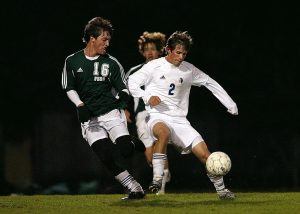
Iran arrives at the 2026 FIFA World Cup with a blend of history, hunger, and tactical discipline that makes them one of Asia’s most intriguing teams. Known as Team Melli, they’ve qualified for their seventh World Cup, and expectations are sky-high from a fanbase desperate to see the team finally break beyond the group stage—a barrier they’ve repeatedly hit since their debut in 1978. Iran’s inclusion in the competitive Group G, facing Belgium, Egypt, and New Zealand, sets the stage for intense tactical battles, highlighting their longstanding reputation for defensive mastery paired with incisive counter-attacks.
The Iranian lineup is a formidable mix of seasoned veterans from top European leagues and robust domestic players. Their squad, announced by coach Amir Ghalenoei on June 1, showcases a balance of experience centered around players who have stood their ground in multiple World Cup campaigns. From the rock-solid goalkeeping of Alireza Beiranvand to the lethal finishing of forward Mehdi Taremi, the squad offers a tactical blend that emphasizes resilience and attacking efficiency. The team’s key challenge lies in the delicate transition phase—integrating younger talent while preserving the high-octane intensity that defines their play. Group G’s elite competition poses a demanding test, especially against the tactical depth of Belgium, making every match a crucial statement on Iran’s ambitions this summer.
Historical perspective: Iran’s World Cup journey and memorable moments
Iran’s presence at the World Cup is marked by passionate displays and unforgettable upsets, none more iconic than their 1998 victory over the United States—one of the tournament’s classic moments. Although their ambition to progress beyond the group stages has yet to be realized, they have consistently produced moments of magic, including a dramatic late win against Morocco in 2018 and a stoppage-time triumph over Wales in 2022. These victories reflect their tenacious spirit and capacity to unsettle more favored opponents.
Despite their struggles beyond the initial rounds, Iran’s determination to elevate their global football stature continues to grow. Their repeated qualifications signify a level of Asian dominance and tactical discipline few teams can match. As the 2026 tournament unfolds across North America, enthusiasts will be keen to see if Team Melli can finally translate their growing experience and tactical maturity into deeper tournament runs, moving past the shadow of their historical limitations.
The backbone: Iran’s team lineup and tactical setup
The backbone of Iran lies in its impenetrable defense and efficient counter-attacking style. Led by manager Amir Ghalenoei, the squad revolves around a compact defensive unit and a few attacking players capable of punishing errors with clinical precision. The goalkeeper, Alireza Beiranvand, is renowned globally for his shot-stopping prowess and commanding presence, providing the last line of defense with unmatched confidence. Defenders such as Ehsan Hajsafi and Milad Mohammadi add robustness and experience, while midfielders like Alireza Jahanbakhsh bring creativity and spark along the wings.
Up front, Mehdi Taremi continues to be the spearhead of Iran’s attack. His European experience with Olympiacos and proven goal-scoring ability make him a constant threat in the penalty area. Complementing him are rising talents and disciplined midfielders, who maintain the team’s tactical shape. However, questions about squad depth and the integration of younger players linger, potentially exposing Iran’s rigidity when facing pressure from technically superior opponents. This delicate balance could define Iran’s ability to navigate through the challenges in Group G, especially against sides like Belgium and Egypt. For a more detailed head-to-head exploration, check Iran’s upcoming battle with New Zealand here.
Global impact and footballing significance of the 2026 World Cup: A stage for Iran
The World Cup transcends sport, becoming a cultural phenomenon that unites millions worldwide. Iran’s participation in the 2026 edition held in the U.S., Canada, and Mexico places them on a stage that amplifies their footballing identity and broader cultural narratives. For Iranian soccer, this tournament is an opportunity to showcase the nation’s progress, both in player development and tactical sophistication.
The 2026 World Cup, with its expanded format and diverse groupings, promises more competitive fixtures that can accelerate football’s development across weaker regions. Iran’s presence alongside teams like New Zealand and Egypt in Group G highlights the intercontinental nature of football growth. Their performances will be scrutinized not only for immediate results but also for their influence on the sport’s evolution across Asia. Such tournaments often produce iconic players who inspire upcoming generations—a legacy Iran hopes to cement through players like Taremi and Jahanbakhsh, whose exploits echo far beyond the pitch.
Iran’s journey through the 2026 World Cup will inevitably intertwine with pivotal moments captured at venues like the Los Angeles Stadium, where their clashes with groups like Belgium become a testament to football’s global unity and competitive spirit. The spotlight on Iran amplifies the World Cup’s enduring narrative—a tournament that honors history but always dares to rewrite it.